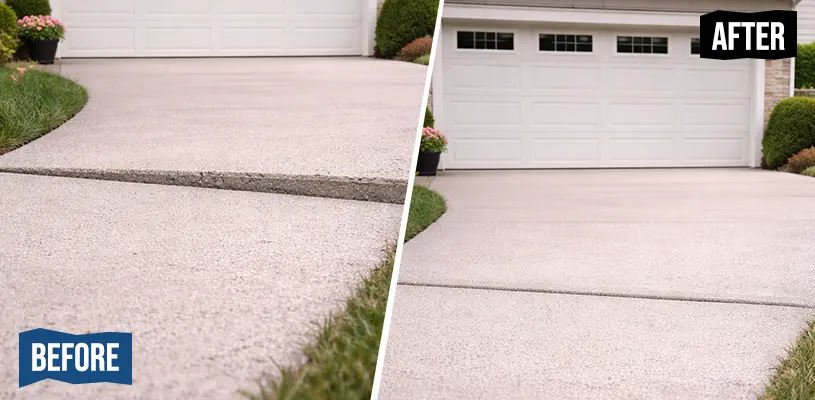
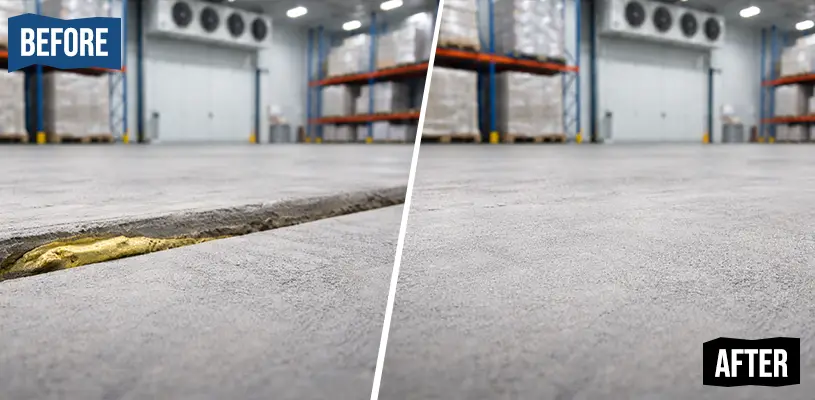
Sinking driveway? Uneven sidewalk? Settled patio, porch, steps, or garage floor?
Mudjacking Kansas City can lift, level, and stabilize your concrete without the cost and disruption of full replacement.
CALL OR TEXT
Tell us what is sinking. We’ll take it from there.
A sunken driveway, uneven sidewalk, settled patio, or sinking set of steps can create more than an appearance problem. Uneven concrete can become a trip hazard, collect water, create unwanted gaps, and become more difficult to fix as the slab continues to settle.
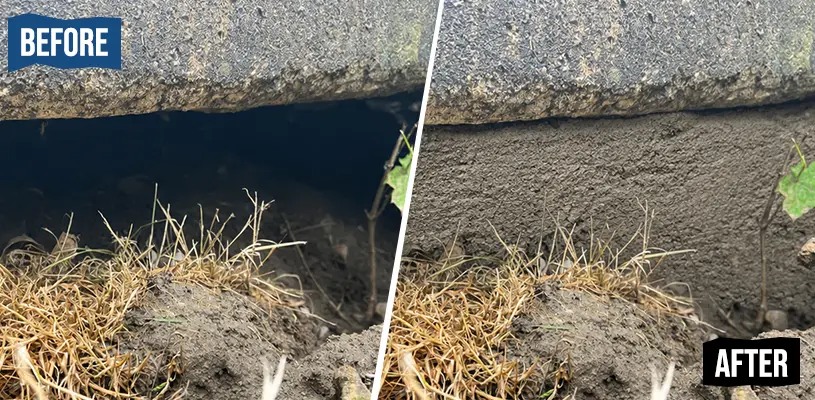
Mudjacking lifts and levels existing concrete by filling the empty spaces beneath the slab with a strong cement-based mixture. This restores support below the concrete and helps return the surface to a safer, more useful position without tearing it out and replacing it.
Mudjacking Kansas City provides residential and commercial concrete leveling throughout Kansas City and surrounding Missouri and Kansas communities. Tell us what is happening with your concrete, and we’ll help you determine whether mudjacking is the right solution.
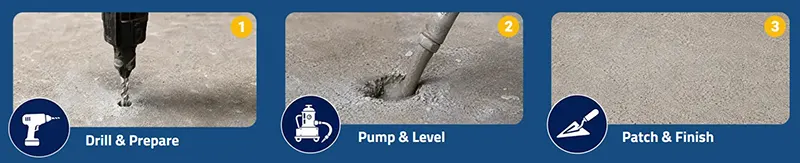
Mudjacking lifts and levels settled concrete by filling the empty spaces beneath the slab. Our process is completed in three straightforward steps.
We inspect the concrete, identify where it has settled, and determine whether the slab is a good candidate for mudjacking. We also look for trip hazards, drainage problems, and unsupported areas.
Small holes are drilled through the concrete. A strong cement-based mixture is pumped beneath the slab to fill empty spaces, restore support, and carefully lift the concrete toward the proper level.
Once the concrete has been raised and stabilized, we patch the drill holes and clean the work area. You are left with safer, more level concrete without the cost and disruption of full replacement.
See what Kansas City homeowners say about their experience with our mudjacking and concrete leveling services.
Posted on Google Jack NaudiTrustindex verifies that the original source of the review is Google. Nick and his family turned my highly uneven, and very large, concrete driveway and pad into an almost perfectly level sheet. It was amazing to see. Nick and his family were awesome to work with, the price was fair, and the results were amazing. I highly recommend them.Posted on Google Meddie GarreauTrustindex verifies that the original source of the review is Google. Nick and his team were extremely punctual, hard working and completed the task on time. We had almost fifty feet of foundation cracks repaired as well as the driveway mudjacked. Would highly recommend for future work.Posted on Google Steve PlantTrustindex verifies that the original source of the review is Google. I wrote a bad review earlier about bad communication. His family was very ill that is why he was slow to get back to me. I ended up hiring them for a large driveway leveling job and it turned out great. Great quality and great pricing. I have referred St. Louis Mud Jacking multiple times since my project and I will continue to use them on my properties. I wish there was a way to remove my old review but I wasn't able to. Great company!!!!
Real reviews. Local customers. Proven results.
Mudjacking is a concrete lifting method that pumps a grout-based mixture beneath a settled slab. The material fills unsupported areas and creates controlled pressure that helps raise the concrete back toward a more level position.
It can be used for many residential and commercial surfaces, including driveways, sidewalks, patios, porches, garage floors, steps, and larger concrete slabs. You can see the full process on our Concrete Leveling Process page.
The terms are often used together. Concrete lifting describes raising a sunken slab, while concrete leveling refers to improving the position and height of uneven concrete.
Mudjacking is one method of concrete raising and leveling. If your slab has dropped but is still structurally sound, lifting may be an option instead of replacement. Our Residential Concrete Lifting page explains where the process can be used around a home.
Slabjacking is a broad term for raising a concrete slab by placing material underneath it. Mudjacking is a traditional form of slabjacking that uses a grout-based material to fill voids and lift the slab.
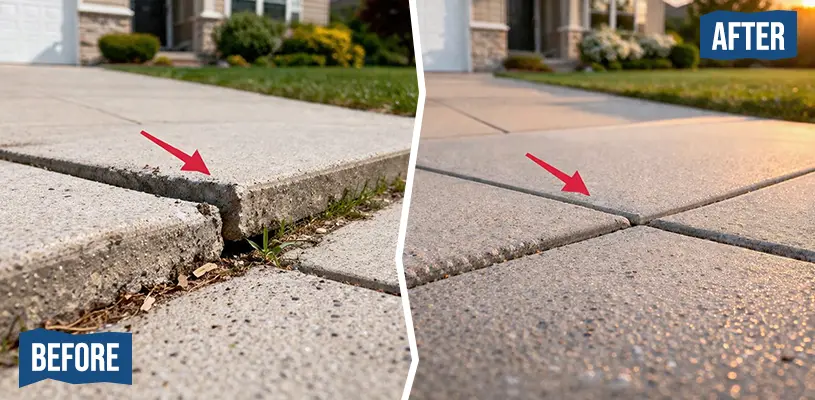
We use mudjacking for projects such as Driveway Leveling, Patio Lifting, and other settled concrete surfaces.
No. St. Louis Mudjacking specializes in traditional mudjacking only.
Some concrete leveling companies use polyurethane foam, often called polyjacking or foam lifting. Those are different methods. Our site focuses on grout-based mudjacking because that is the concrete lifting service we provide.
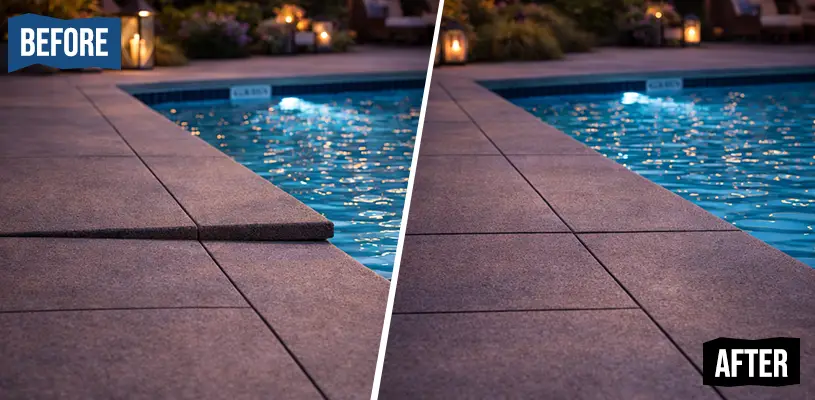
Mudjacking can be used on many types of settled concrete when the slab itself is still in suitable condition. Common applications include driveways, sidewalks, walkways, patios, porches, garage floors, pool decks, steps, concrete slabs and other concrete floors.
For example, you can learn more about Sidewalk & Walkway Lifting or Concrete Slab Lifting.
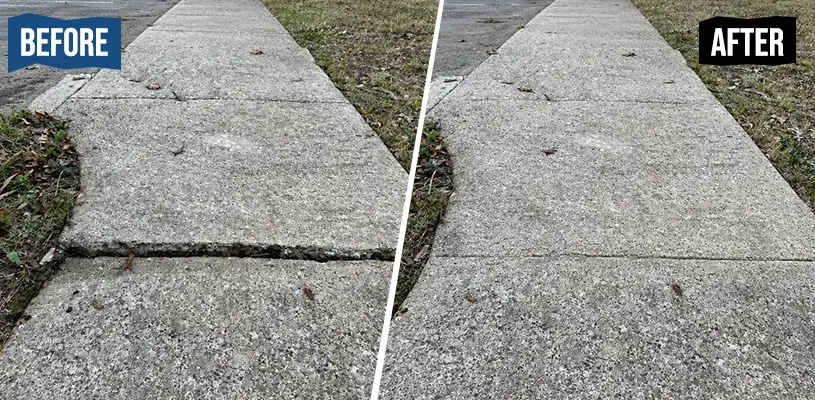
Mudjacking can often be more affordable than tearing out and replacing concrete because the existing slab remains in place.
The actual cost depends on the size of the area, how much lifting is required, accessibility, and the condition of the concrete. If you have a settled Driveway or another slab, contact us for a project-specific quote.
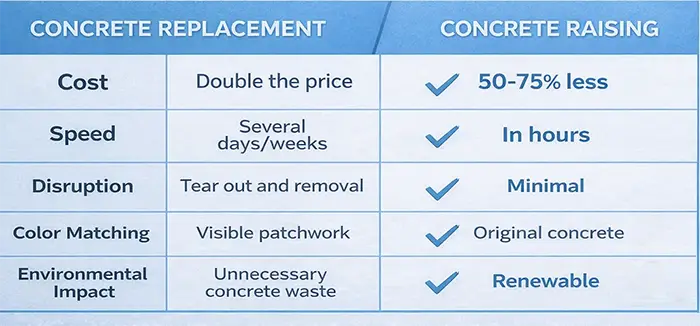
There is no one price that applies to every concrete lifting project.
A small walkway section and a large driveway or commercial slab require different amounts of material, labor, and setup. The best way to get accurate pricing is to Contact St. Louis Mudjacking and tell us about the area that needs attention.
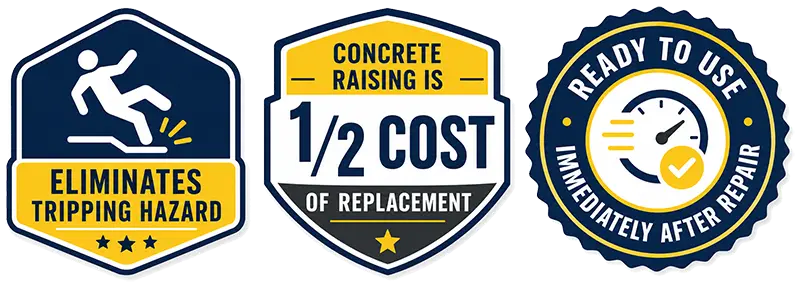
Yes. You can request a free quote by calling us or submitting the contact form with details about the sinking or uneven concrete.
Visit our Contact Page to get started.
It helps to tell us where the concrete is located, what type of slab it is, how much it appears to have settled, and whether there are visible cracks or drainage issues.
For larger commercial work, it is also useful to identify the property type and areas involved. You can see examples of the projects we handle on our Commercial Mudjacking page.
Settlement often becomes more noticeable over time, especially if soil movement, drainage, or washout continues beneath the slab.
Addressing uneven concrete earlier can help reduce trip hazards and prevent the surface from becoming harder to use. If you are unsure whether the slab is a good candidate for lifting, request an evaluation through our Contact Page.
The basic process has three stages: drill, pump, and patch.
Access holes are drilled through the slab, a grout-based material is pumped underneath to fill voids and lift the concrete, and the holes are patched when the lifting is complete. See our Concrete Leveling Process page for a complete explanation.
Project time depends on the number of slabs, the amount of settlement, access to the work area, and how much material is needed.
Smaller residential jobs may be completed relatively quickly, while larger commercial or multi-slab projects can take longer.

The access holes are patched after the lifting is complete.
The patches may remain visible, especially on older or weathered concrete, because new patch material will not always match the existing slab exactly. The goal is to leave the area neat and functional.
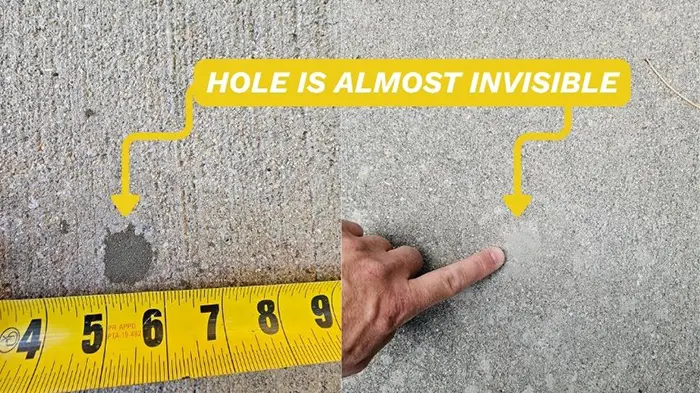
The amount a slab can be raised depends on the concrete, surrounding surfaces, joint locations, and how it settled.
The goal is controlled concrete raising—not forcing a slab beyond what the conditions allow. We lift gradually and aim for a practical improvement in position and usability.
Return-to-use time can vary depending on the type of surface and work performed.
We will explain what to expect for your specific project once the lifting is complete. This is especially important for areas such as Garage Floors and driveways that may carry vehicle traffic.
Concrete usually sinks because the soil beneath it loses support. Common causes include soil settlement, poorly compacted fill, water washout, clay soil movement, drainage problems, and freeze-thaw cycles.
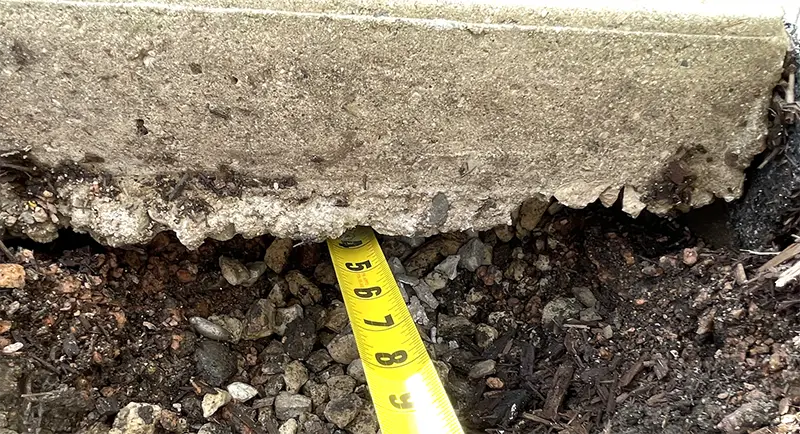
These conditions are common throughout the St. Louis area and can affect everything from a Driveway to a Porch.
Yes. Raised edges and low slabs can create trip hazards around sidewalks, steps, entrances, patios, and commercial walkways.
Concrete leveling can help restore a smoother transition when the slab is still worth saving. If the problem is along a pedestrian route, see our Sidewalk & Walkway Lifting service.
It can. When a slab settles, the slope may change and allow water to collect in low spots or move toward areas where you do not want it.
Concrete lifting may help when the drainage issue is caused by slab settlement, although other drainage problems may also need attention. This is common with Patio Lifting and driveway projects.
A hollow sound can sometimes indicate that a void has developed beneath the slab. Soil may have settled or washed away, leaving part of the concrete unsupported.
Depending on the condition of the slab, the area may need concrete stabilization, lifting, or Void Filling.
No. Concrete lifting changes the position of the slab, but it does not erase existing cracks, stains, surface wear, or deterioration.
If a slab is still structurally sound, raising it can improve usability and alignment even though the concrete will not look brand new. If the slab is badly cracked or crumbling, replacement may be the better concrete repair option.
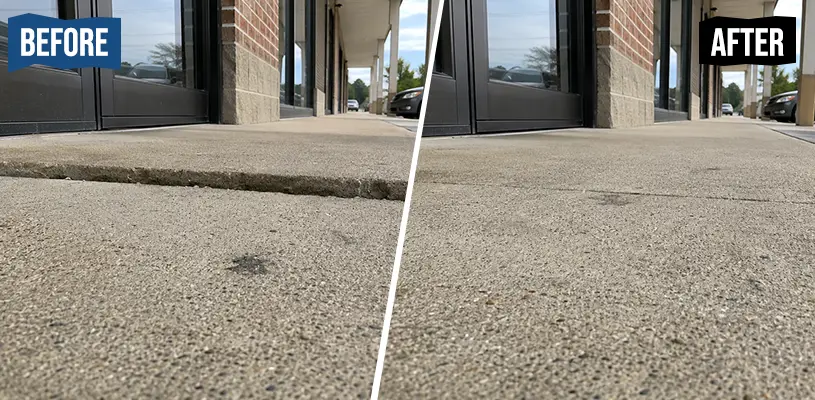
Concrete lifting may make sense when the slab is still solid but has simply settled out of position.
If the concrete is badly cracked, crumbling, or structurally worn out, replacement may be the better choice. We evaluate the slab and give a straightforward recommendation rather than automatically pushing one type of concrete repair.
Possibly. Age alone does not determine whether a driveway can be raised.
The condition of the slab matters more. If the concrete is still reasonably intact and the main problem is settlement, Driveway Leveling may be an option.
Usually, yes. Concrete raising works with the existing slab, so there is less demolition, hauling, and new concrete placement.
That can make mudjacking a practical option for sidewalks, patios, garage floors, and other surfaces where the concrete itself is still usable.
No. The best concrete repair depends on the condition of the slab and why it has moved.
Mudjacking works well when the main problem is sinking or lost support beneath otherwise usable concrete. Concrete that is severely broken or deteriorated may need replacement instead. Our Concrete Lifting FAQs can help answer additional questions.
Look for a contractor or company that explains why the concrete has settled, whether the slab is a good candidate for lifting, what method will be used, and what you can realistically expect afterward.
A good contractor should also be willing to tell you when concrete replacement makes more sense than raising the slab. Learn more about our approach on the About St. Louis Mudjacking page.
Local experience matters because soil and weather conditions affect concrete settlement.
St. Louis clay soil, moisture changes, heavy rain, and freeze-thaw cycles can all contribute to sinking slabs. Working with a local company means the contractor is familiar with the conditions commonly seen around the metro area. See our full Service Areas list.
Yes. We provide mudjacking for residential properties as well as commercial, municipal, institutional, HOA, apartment, retail, and industrial properties.
Homeowners can explore our Residential Services, while property managers and organizations can view our Commercial Services.
Be cautious of promises that every slab can be lifted perfectly or made to look brand new.
Concrete raising can improve the position of settled slabs, but existing cracks, stains, wear, and underlying site conditions still matter. We focus on explaining what can realistically be fixed and when another option may make more sense.
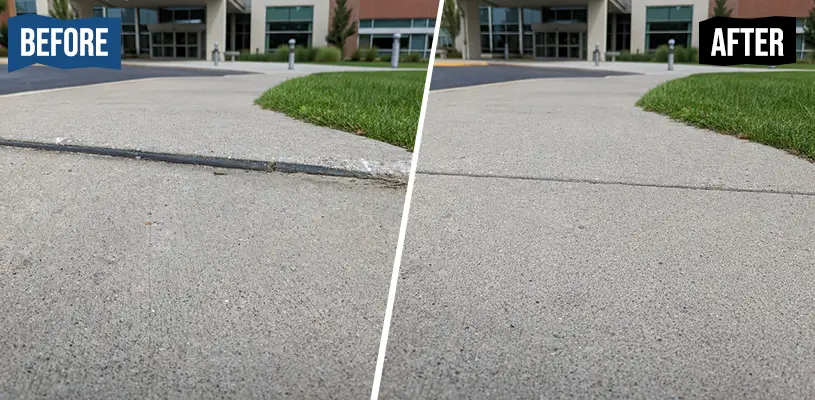
Before-and-after photos are one of the easiest ways to understand what mudjacking can accomplish.
Visit our Mudjacking Before & After Photos page to see examples of concrete lifting work on driveways, sidewalks, patios, and other slabs around the St. Louis area.
Mudjacking Kansas City provides residential and commercial concrete leveling throughout Kansas City and surrounding communities in Missouri and Kansas. If you have sinking or uneven concrete, contact us to find out if we serve your area.
Our service area extends beyond the cities listed above. Call or text (816) 207-4691 to find out if we provide mudjacking in your community.
Tell us what is happening with your driveway, sidewalk, patio, steps, floor, or other concrete slab. We’ll review the problem and help you determine whether mudjacking is the right next step.
Serving Kansas City and surrounding areas
Mudjacking Kansas City helps homeowners, businesses, and property managers lift, level, and stabilize sinking concrete throughout Kansas City and surrounding communities in Missouri and Kansas. We provide mudjacking for driveways, sidewalks, walkways, patios, porches, steps, garage floors, pool decks, commercial floors, and other concrete slabs.
If uneven concrete is creating a trip hazard, drainage problem, or unwanted gap, call or text us for an honest recommendation and a free estimate. Mudjacking can provide an affordable way to fix settled concrete without tearing it out and replacing it.
Uneven sidewalk becoming a trip hazard? or Patio collecting water or sloping toward your home?
Tell us what is going on, and we’ll help you determine the right next step.
Call or Text
Hours We’re Open
Mon to Sun – 8:00 a.m. to 9:00 p.m.
Our phone lines are open 24/7.
If we don’t answer, please leave a message and we’ll get back to you shortly.
Voicemail open 24 hours.
© 2026 Mudjacking Kansas City. All Rights Reserved.